
How to Make LDM Effects Last Longer in Korea (Hongdae, Seoul Guide, 2026)
Published:

LDM is a needle-free ultrasound treatment commonly used in Korea for hydration, calming, and gradual skin-quality support. Some people feel the glow fade within days. Others notice it holding for weeks.
The difference may come down to your treatment plan and what you do between sessions. This guide covers both.
Key Takeaways
- A single session may feel temporary — that's normal, not a failed treatment.
- Repeated sessions can matter more than one-off visits, depending on your skin concern.
- Timing between sessions, and skin care in between, may influence how long results last.
What Is LDM?
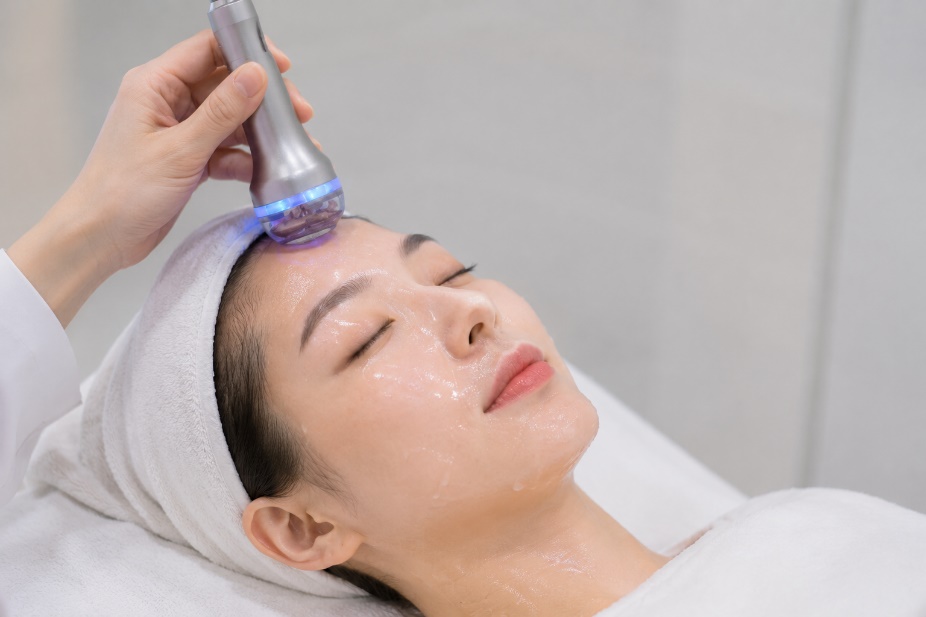
LDM uses rapidly changing ultrasound frequencies to support skin recovery, without needles or downtime. It's commonly used for hydration, redness, reactive skin, and calming after other procedures. It's also studied for effects on inflammation and collagen-remodeling activity in skin.
Why LDM Lasts for Some People — and Fades Fast for Others
If your last LDM course felt underwhelming, the reason may not be session count alone. Your baseline skin condition, and what happened between sessions, can also matter.
| Tends to support longer-lasting results | Tends to undercut results |
|---|---|
| Skin heat is well managed | Face flushes or overheats often |
| Stable, intact skin barrier | Barrier is compromised or irritated |
| Skin is well hydrated | Skin is dehydrated |
| Low background inflammation | Frequent redness or breakouts |
| Enough collagen-building nutrients (protein, vitamin C) | Diet is short on those nutrients |
| Sleep and stress are reasonably managed | Poor sleep, high stress |
| Low facial muscle tension | Jaw/cheek tension, sluggish lymph flow |
This list reflects a commonly cited pattern from skincare practitioners, not a clinical study — treat it as a starting checklist, not a guarantee.
Session Timing
One session may give only temporary calming or hydration. Repeated sessions can make sense for ongoing concerns, but there's no single session count that fits everyone. Many clinics start with weekly sessions, then space them out further based on how your skin responds.
Habits That Support Longer-Lasting Results
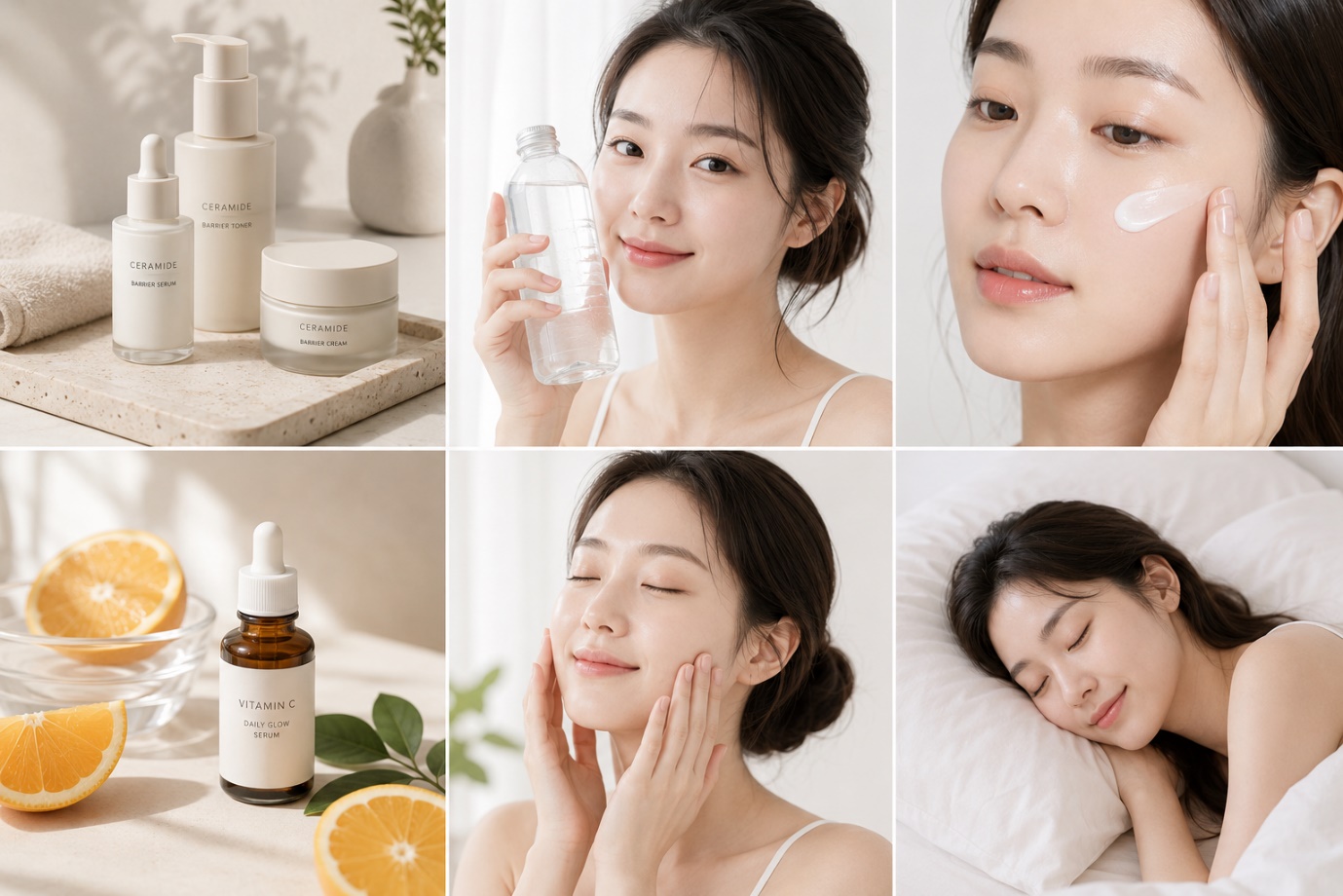
Repair your skin barrier first. LDM tends to work best on a stable barrier. A ceramide-based moisturizer and easing off harsh actives help it hold.
Manage heat and irritation. Very hot showers, saunas, and prolonged flushing can work against calming and barrier-repair effects. Cooling down after exercise or sun exposure is a simple habit worth keeping.
Time your moisturizer. Applying moisturizer right after cleansing, before skin dries, helps lock in the hydration a session gave you. Stay normally hydrated, and focus on preventing surface water loss with a gentle moisturizer.
Give your skin building blocks. LDM can support collagen production, but it doesn't supply the raw materials. Getting enough protein and vitamin C in your diet is what those signals actually build with.
Ease facial tension. A tense jaw or cheek area can restrict blood flow and lymph drainage, showing up as lingering puffiness. Gentle jaw-release habits or light facial massage may help results settle in rather than fade fast.
Watch sleep and stress. Both affect skin repair broadly, LDM results included. This one's less specific to LDM, but worth keeping in mind alongside the habits above.
How to Evaluate LDM in Korea: A Few Questions to Ask
- What exact skin concern are we treating with LDM?
- Why this session interval, specifically, for my skin?
- When should we reassess whether it's actually helping?
Insider Tip: Don't Buy 10 Sessions Before Trying One
LDM is gentle, but not everyone sees enough change to justify a long package upfront. Try a single session first, note what actually improved, then decide if a full course makes sense for you.
Where Independent Research Stops Working
General information can tell you how LDM works and what tends to help it last. It can't tell you whether it's the right fit for your specific skin, or what a fair session plan looks like for your case. If you'd like a second opinion, The Contour Journal - SSC can help.
FAQ
Why did my LDM results disappear so fast last time?+
This usually points to skin condition or session spacing rather than the treatment itself — a compromised barrier or irregular timing are common causes.
Is one LDM session enough?+
One session often gives short-term hydration and calming. Whether more sessions help depends on your specific skin concern.
How often should I get LDM?+
There's no fixed schedule for everyone. Many clinics start weekly, then adjust the interval based on how your skin responds.
Can I maintain results after leaving Korea?+
There's no way to replicate the exact treatment at home, but keeping your skin barrier stable and managing heat exposure can help hold the results longer.
Planning LDM in Korea?
LDM results don't follow one fixed timeline. A single session may feel temporary, while repeated sessions can make sense for ongoing concerns. To help results hold, focus on a stable skin barrier, avoid unnecessary irritation, and build a schedule around how your skin actually responds. The Contour Journal - SSC can help you plan that — reach us at contact or via email or phone.
Sources:
- User-provided reference blog post (personal skincare blog, images supplied by the user) — barrier repair, session timing, heat management, and moisturizer-timing framework.
- Doctornow Magazine — LDM mechanism (inflammation and collagen-remodeling pathways).
- Deall Clinic (범계피부과 더올의원) — general session-response pattern (background only, not cited as fixed numbers in this version).
Related Articles
 Factory vs. Boutique Clinics in Korea: Which One Fits You? (2026 Guide)→
 How to Tell If a Gangnam Skin Clinic Has a Real Dermatologist→
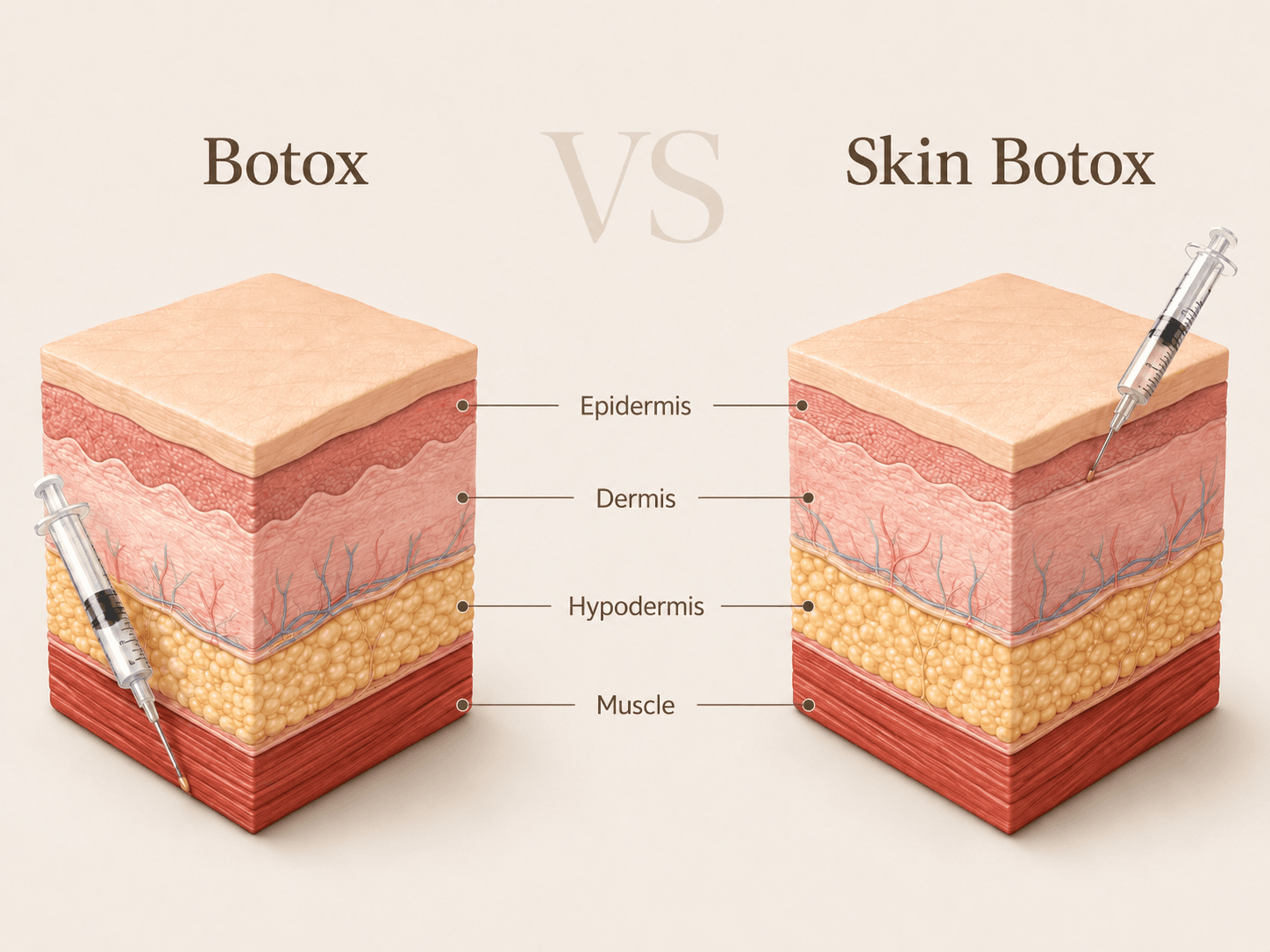 Is Skin Botox Actually Botox? The Superficial Micro-Injection Secret to Glass Skin (Without the Frozen Face) — A Myeongdong, Seoul Guide (2026)→
 Lifting Treatments in Seoul, Gangnam: The Full Device Cheat Sheet Beyond Ultherapy and Thermage (2026 Guide)→
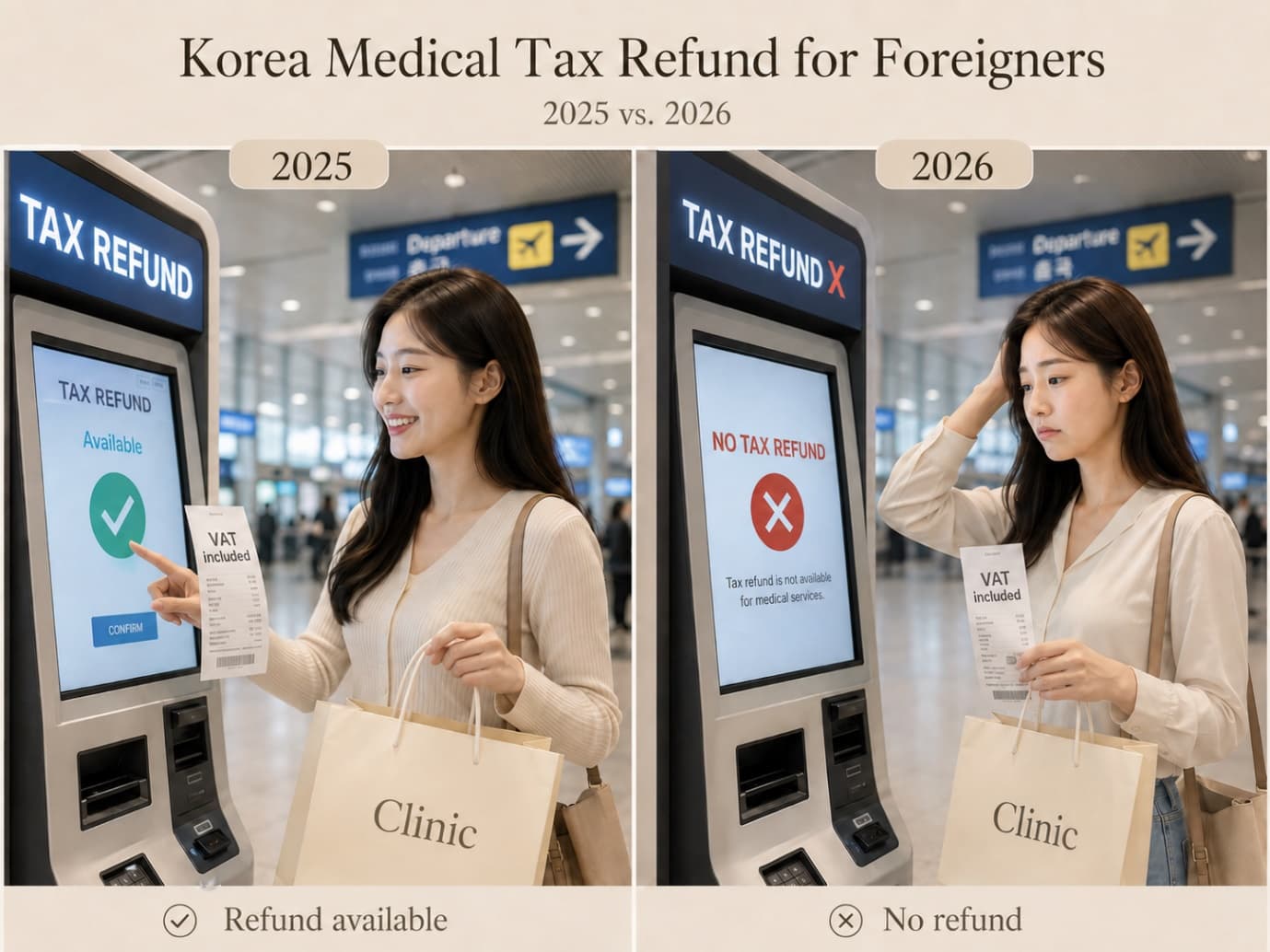 Medical Tax Refund for Foreigners in Korea: What Changed and What Didn't (2026 Guide)→
 Rejuran Pain Relief in Korea: Anesthesia Options and Safety Tips (2026 Guide)→