Last updated:
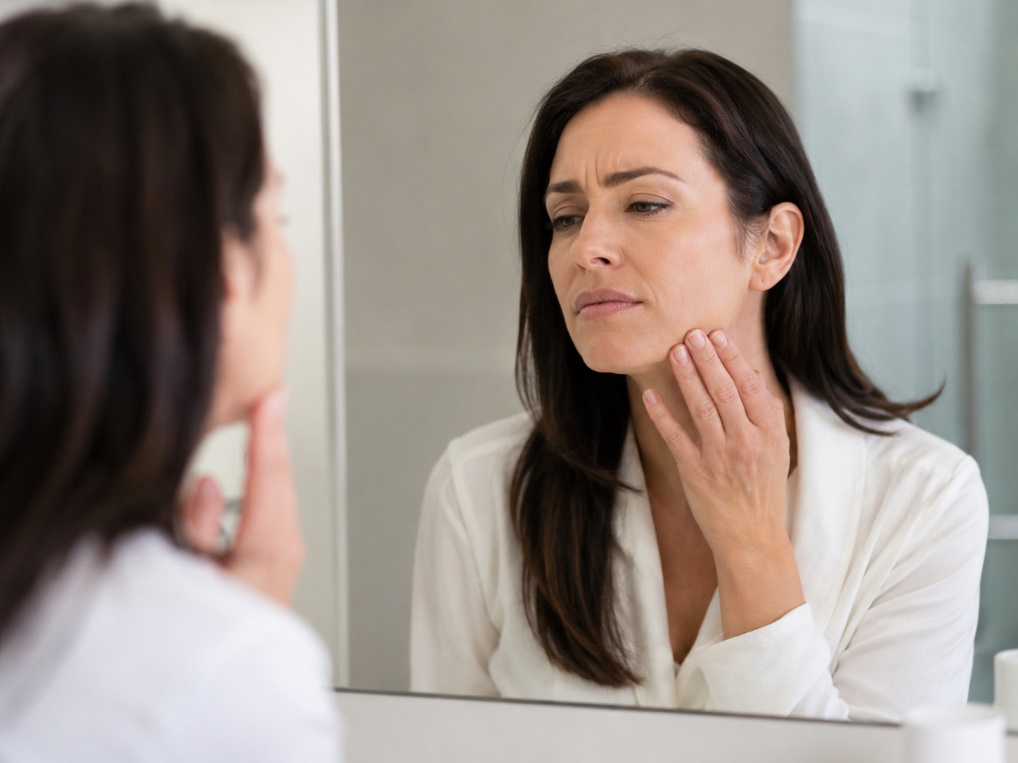
If you paid for Ultherapy and saw little change, you are not alone, and it does not always mean the treatment failed outright. Below are the five most common, evidence-backed reasons results fall short. Each one is something you can ask about before your next session.
Quick Answer
Weak Ultherapy results usually come from one of five causes: a poor candidate fit, a treatment depth that missed your target tissue, a fixed shot count instead of a customized plan, treatment without real-time imaging, or judging the result too early. None of these mean the device itself failed.
Key Takeaways
1. You May Not Have Been an Ideal Candidate
Ultherapy is generally used for mild to moderate skin laxity, but not every face responds equally well. If your face is naturally thin, with limited fat volume, an aggressive plan may not deliver visible tightening — and in some cases can affect fat volume further. This is a case-by-case anatomical question, not a fixed rule, which is exactly why a hands-on assessment matters more than the brand name of the device.
2. The Treatment Depth May Not Have Matched Your Anatomy
Ultherapy uses several treatment depths, typically 1.5mm, 3.0mm, and 4.5mm. The 4.5mm transducer is designed to treat deeper fibromuscular planes, while the 1.5mm and 3.0mm transducers target more superficial layers. If the depth chosen does not match what your tissue actually looks like on ultrasound, energy may land away from the intended target — under-treating a sagging area, or reaching an area that did not need that much depth.
3. More Shots Does Not Mean a Better Plan
A common assumption is that a higher shot count always means a stronger lift. In practice, placement, depth, and treatment area matter as much as total shot number. A flat, fixed shot package offered before anyone examines your face is worth a second question, not an automatic yes.
Insider tip: Ask about the plan, not just the package. A provider who adjusts shot number by facial zone — not a single flat total for your whole face — is planning around your anatomy, not a menu price.
4. The Treatment May Not Have Been Fully Customized
One of Ultherapy's key features is real-time ultrasound visualization, which lets a provider see tissue layers before treating them. This allows a plan to be adjusted to what is actually seen, instead of following only a preset facial template. Confirming that this step is part of your treatment is a reasonable, fair question to ask beforehand.
Most improvement is assessed around three months after treatment, with some continued change possible in the months after that. Judging at two to four weeks is usually too early.
Not on its own. Placement, treatment depth, and how the plan is customized to your face matter more than the total number of shots.
Ultherapy and Thermage target tissue differently, and the better choice depends on your skin laxity, facial volume, skin thickness, and goals. A hands-on assessment is the only reliable way to decide. Planning Your Next Ultherapy Consultation? A weak first result does not necessarily mean Ultherapy is wrong for you. It often means the plan was not matched closely enough to your anatomy. Before rebooking, ask for an assessment-based plan rather than a fixed shot package.
5. You May Be Judging the Result Too Early
Ultherapy is not an instant-result treatment. Visible improvement is usually assessed around the three-month mark, and results may continue to develop for some months after that. Reviewing your outcome at two to four weeks is often too early to fairly judge whether the treatment worked.
A note on safety: Poorly planned ultrasound treatment can occasionally cause unwanted effects, including tenderness, temporary nerve symptoms, or unwanted changes in facial volume. These are not typical outcomes of a well-planned session, but seek medical review if you notice persistent weakness, severe pain, burns, or progressive asymmetry.
Why the Clinic District You Choose Still Matters — A Note on Cheongdam
The five causes above come down to one thing: whether your provider actually customizes the plan to your face. That depends more on the clinic's approach than on any single neighborhood. That said, Cheongdam, one of Seoul's more established districts for advanced aesthetic devices, does tend to have a denser concentration of clinics built around imaging-based, individualized planning rather than fixed-price shot packages — which matters given that Ultherapy is a higher-cost treatment where a mismatched plan is an expensive mistake. This is a pattern, not a guarantee: quality still varies clinic by clinic, even within Cheongdam, so the questions below matter more than the address.
Before You Rebook Ultherapy in Korea